9 of the Commonest Mistakes When Moving a Pond Indoors
Feb 6th 2026

Feb 6th 2026
Moving a pond indoors seems like a straightforward seasonal shift, but there’s a lot more to it than scooping fish out and dropping them into a tub inside. Whether you’re preparing for harsh winter temperatures or protecting your fish from predators or pollution, relocating an outdoor pond to an indoor setup can go sideways fast if you don’t plan carefully.
Too often, pond owners make critical mistakes that affect water quality, stress out the fish, or lead to costly fixes later. The goal is to create an indoor space that supports your fish as well as your outdoor pond does, while also being easy to manage through the colder months.
Here’s what you need to know to avoid the most common mistakes when moving a pond indoors.
Not every container of water qualifies as an indoor pond. One of the biggest mistakes is underestimating the space requirements and the complexity of housing pond fish indoors. Koi and larger goldfish, in particular, need room to swim, plenty of oxygen, and clean water with consistent flow. Tossing them into a small kiddie pool in the basement isn’t going to cut it.
The most common setup issue is choosing a space that’s too small or too unstable in terms of temperature. Basements might seem like a safe choice, but if the temperature fluctuates or the space isn’t insulated, your fish could be dealing with cold snaps or overheating. Improper placement also leads to issues with lighting, humidity, and electrical needs.
In addition, some pond owners use aquariums or glass tanks for fish that are simply too large or too active. These tanks often crack under pressure or lack space for essential equipment such as external filters or aeration systems.
If you're moving a pond indoors, start with a proper stock tank or a high-density polyethylene tub that's large enough to handle the full-grown size of your fish.
Pro Tip: Make sure the room is climate-controlled, has space for filtration and lighting, and won't expose the fish to loud noise, heavy foot traffic, or constant vibrations.
Water quality issues are one of the fastest ways to turn your indoor pond into a health hazard. Indoors, water tends to degrade much faster than in an outdoor system. There’s no rain to help dilute waste, no plants to naturally filter toxins, and no natural movement to increase oxygen.
The most common mistake here is skipping the cycling process before adding fish. When water isn’t cycled properly, toxic compounds like ammonia and nitrites spike within days. These chemical shifts stress fish and open the door to illness and parasites.
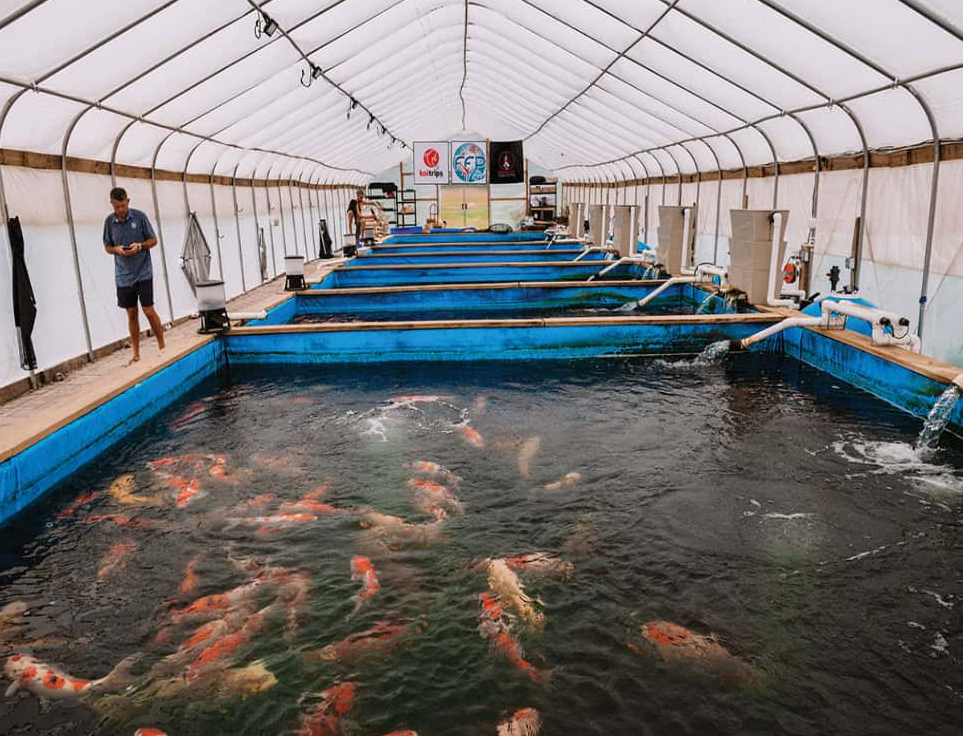
What’s more, many people rely on the same filters they use for their aquariums, thinking they’ll work for pond fish. In reality, koi and goldfish create far more waste than tropical fish and need larger biofilters or external pond-grade filters. Without that, your fish end up swimming in their own waste.
Pro Tip: Regular testing is key. Weekly monitoring for ammonia, nitrites, nitrates, and pH can help you catch problems early. Don’t forget to use dechlorinated water when doing water changes, and keep a water change schedule on the calendar.
This is where well-meaning urgency leads to disaster. You might see temperatures dropping fast and want to move the fish inside quickly. The problem is, fish can’t handle sudden shifts in temperature, water hardness, or pH.
Fish coming from a cold pond may be entering a warm tank. That rapid temperature jump can shock their system. Worse, the indoor water might be chemically different from their outdoor pond, especially if you’ve used tap water that’s been treated or filtered differently.
The right way to move fish indoors is slow and measured. Use the drip acclimation method to slowly blend indoor and outdoor water over an hour or more. This gives the fish time to adjust without stress.
Pro Tip: Skip quarantine, especially if your pond had any sick fish during the season. Even healthy-looking fish can carry parasites or bacteria that will thrive in a warm indoor environment. A small quarantine tank for 2 to 3 weeks is a smart insurance policy.
It’s easy to forget how much natural sunlight affects fish. In outdoor ponds, fish follow the sun. Their metabolism, behavior, immune system, and even appetite are all connected to seasonal light cycles.
Once inside, fish are often exposed to inconsistent light. One day, the tank is near a window, where bright sunlight streams in. The next day, the overhead fluorescent lights are on 24 hours a day. That inconsistency creates stress, impacts sleep cycles, and can even lead to illness.
The fix here is simple but often missed: Good pond lighting.
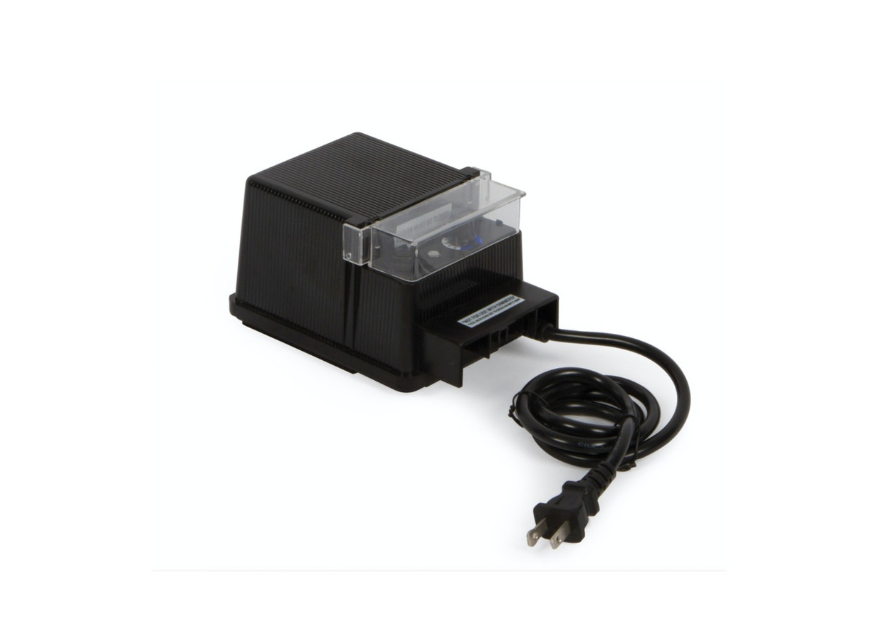
Use a reliable light timer. Set your indoor pond lights for about 10 to 12 hours per day to mimic the natural rhythm of fall and winter. Avoid placing tanks near windows, as fluctuating natural light can confuse your fish or cause temperature shifts.
Pro Tip: If you want to take it further, use full-spectrum lighting to simulate daylight and support fish health and coloration.
Indoor ponds need more than just a filter and a tub. One of the biggest mistakes is using aquarium equipment for pond fish. Aquarium heaters, filters, and pumps aren’t rated for the size or bio-load of pond fish, especially koi or large goldfish.
Underpowered filters clog quickly, leading to stagnant water and waste buildup. Aquarium heaters can’t keep up with the water volume and may burn out or fail without warning. Weak pumps don't provide enough water movement to maintain steady oxygen levels.
Here’s what you need to know: Choose pond-grade equipment designed for higher gallons per hour (GPH) and a heavier bio-load. Include multiple sources of oxygen, such as air stones or diffused aeration. Use backup systems whenever possible, especially for heating and cooling.
Pro Tip: Consider insulating the tank or tub if your indoor space gets chilly. Styrofoam panels or water heater blankets can help stabilize temperatures.
Inside, there’s no breeze, no waterfall, and no plants to help oxygenate the water. Fish need dissolved oxygen to survive; low levels lead to lethargy, reduced appetite, and increased susceptibility to disease.
Still water might look peaceful, but it creates layers of poor circulation. Warm water rises, cold water sinks, and without movement, oxygen gets trapped at the top while the bottom becomes a dead zone.
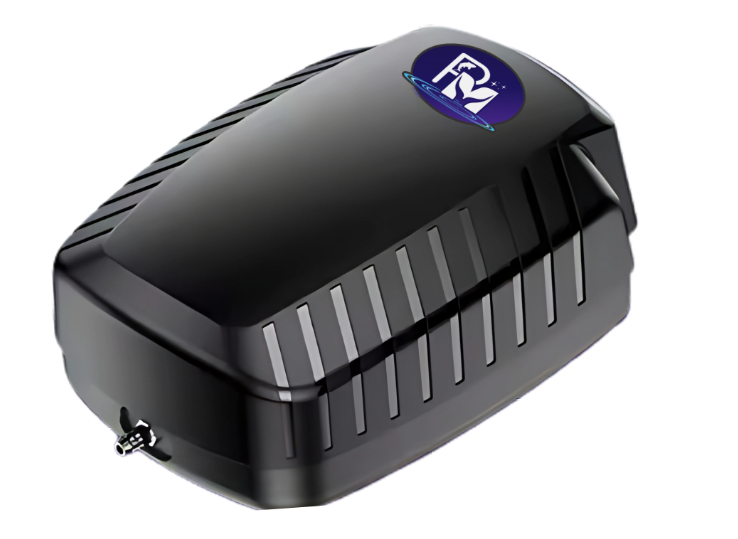
To avoid this, install an air pump with diffusers at opposite ends of the tank. You can also direct a pump output toward the surface to create agitation and increase gas exchange. Always check for even water movement, not just in one corner of the tank.
Pro Tip: During winter, warmer indoor water holds less oxygen than colder outdoor water, so it's extra important to keep things flowing and well-aerated.
Many pond owners continue their regular feeding schedule indoors. That’s a mistake. Fish eat less in cooler water and often rest more during the winter months. Overfeeding in an indoor setup can lead to waste buildup, ammonia spikes, and cloudy water.
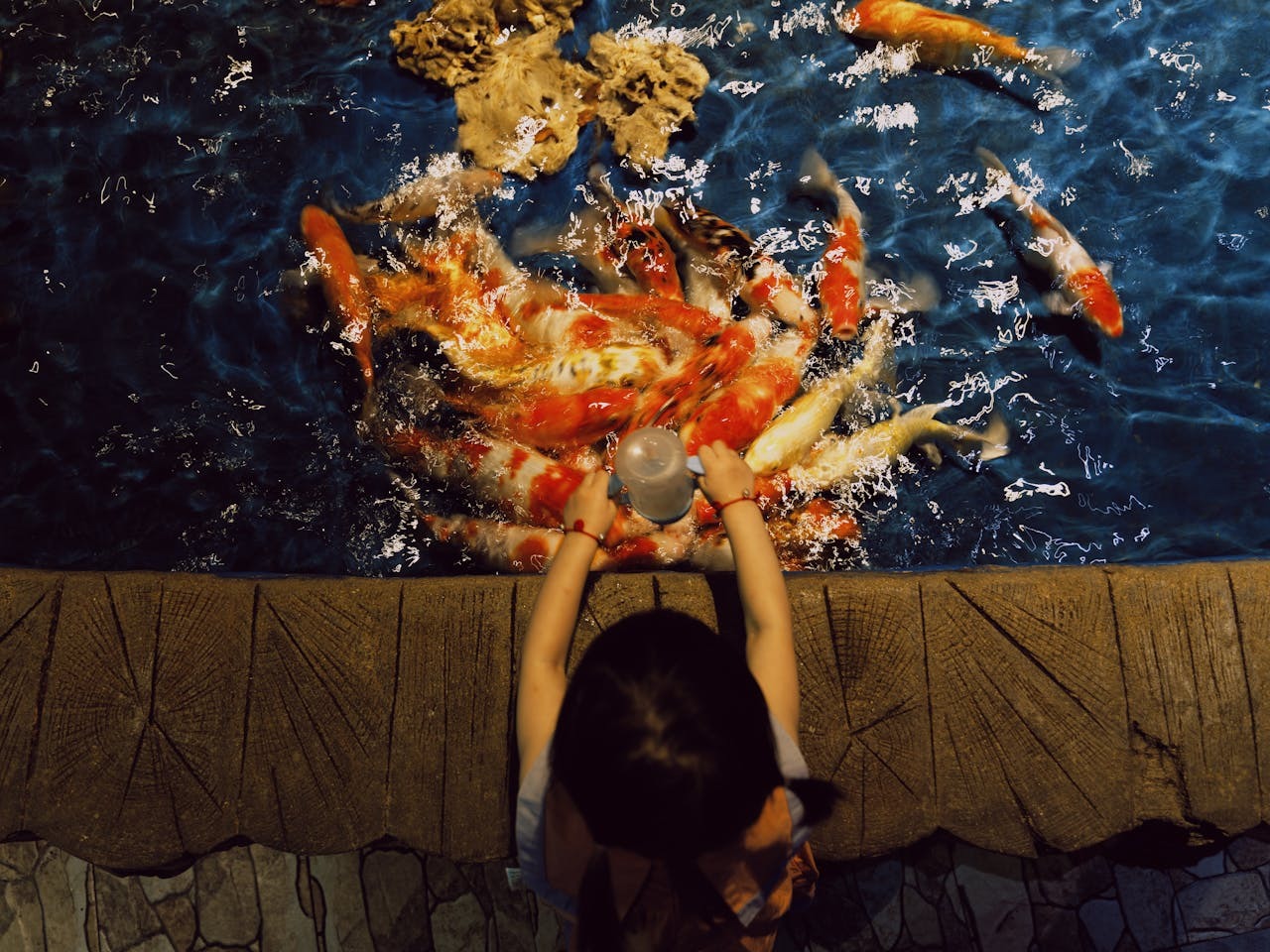
If the water temperature stays below 50°F, feeding should stop completely. Fish digest food very slowly in cold water, and uneaten food quickly decays. If your setup is heated and fish remain active, feed sparingly with a cold-water formula like wheat germ.
Pro Tip: Feed once every other day, and only what they can finish in a few minutes. Scoop out any leftovers immediately. A small adjustment in feeding goes a long way toward maintaining clean water and healthy fish.
An indoor setup doesn’t mean less work. In fact, smaller systems often require more attention because problems escalate faster. Fish diseases, equipment failures, and water quality issues can spiral out of control within hours.
What’s more, people tend to get busy during the winter months. Between holidays, travel, and weather, it’s easy to forget to check on your fish. That’s how things like broken heaters, clogged filters, or algae blooms go unnoticed until it’s too late.
You don’t need to hover over the tank, but you should set aside 5 minutes a day to observe your fish, check the water temperature, and make sure everything is running smoothly. Weekly water testing, filter rinses, and water top-offs should be part of your routine.
Pro Tip: The more you stay on top of small changes, the fewer big problems you’ll run into later.
It’s easy to focus on moving indoors and forget that spring will come. Moving your fish back outdoors requires just as much thought as bringing them in. The biggest mistake is dumping them back into the pond the moment it warms up, without giving them time to re-acclimate.
Indoor fish may live in clean, filtered, warm water. If your outdoor pond has algae, temperature swings, or cloudy water from spring runoff, that sudden change will stress your fish or even shock their systems.
The best way to prepare for the return is to gradually lower the indoor temperature as spring approaches. Match it to the outdoor pond over several days. Float your fish in bags or containers in the pond for 30 to 60 minutes before release. Test the pond water to make sure parameters are stable.
Pro Tip: Planning ahead for this transition helps protect your fish from stress, parasites, and immune system crashes.
Let’s wrap this up with a few smart moves to help you avoid all of the problems we just covered.
Pro Tip: Taking the time to set things up right will make your indoor pond easier to maintain, safer for your fish, and far less stressful for you.
Pro Tip: Prevent overstocking your pond. The recommended rato of water to fish size is 10 gallons of water per 1” of fish.
Fitz’s Fish Ponds can help you design a custom indoor pond setup that keeps your fish safe, healthy, and happy all winter long. Whether you’re looking for a short-term winter home or a full indoor aquascape, our team handles the equipment, layout, filtration, and maintenance plan so you don’t have to guess.
Contact us today to schedule a consultation before the weather turns.
How do you move a pond indoors without stressing the fish?
Acclimate the fish slowly using a drip system. Gradually mix the old pond water into the new indoor setup over 1 to 2 hours.
What’s the best indoor setup for koi during winter?
A large stock tank with a pond-grade filter, air stones, a heater, and a secure cover. Keep the setup in a climate-controlled room.
Can I move goldfish or koi indoors every winter?
Yes, as long as your indoor system is properly maintained and sized for your fish. Many owners do this annually.
How long can pond fish live indoors?
Pond fish can live indoors for months or even longer if the setup is done properly. Most people bring them in from late fall through early spring.
What temperature should indoor pond water be in winter?
Between 50°F and 65°F is ideal for overwintering fish. Avoid quick temperature swings and aim for consistency.
Should I keep feeding pond fish indoors?
Only feed if the water is above 50°F and the fish are active. Use cold-weather food and feed sparingly.
How often should I clean an indoor pond tank?
Perform partial water changes every 1 to 2 weeks and check filters weekly. Test the water to guide your schedule.
Can I use a regular aquarium filter for my pond fish?
Not recommended. Pond fish need higher-capacity filters built to handle more waste.
What lighting do indoor pond fish need?
Mimic outdoor daylight with a light timer set to 10 to 12 hours per day. Avoid leaving lights on 24/7.
Is netting recommended for an indoor pond?
Yes, putting a netting or protective cover over the indoor pond is important to prevent fish from jumping out.
| Hours | |
|---|---|
| sunday | 10:00-5:00 |
| monday | 9:00-6:00 |
| tuesday | 9:00-6:00 |
| wednesday | 9:00-6:00 |
| thursday | 9:00-6:00 |
| friday | 9:00-6:00 |
| saturday | 9:00-6:00 |
| Hours | |
|---|---|
| sunday | 10:00-5:00 |
| monday | 9:00-6:00 |
| tuesday | 9:00-6:00 |
| wednesday | 9:00-6:00 |
| thursday | 9:00-6:00 |
| friday | 9:00-6:00 |
| saturday | 9:00-6:00 |
| Hours | |
|---|---|
| sunday | 10:00-5:00 |
| monday | 9:00-6:00 |
| tuesday | 9:00-6:00 |
| wednesday | 9:00-6:00 |
| thursday | 9:00-6:00 |
| friday | 9:00-6:00 |
| saturday | 9:00-6:00 |
| Hours | |
|---|---|
| sunday | 10:00-5:00 |
| monday | 9:00-6:00 |
| tuesday | 9:00-6:00 |
| wednesday | 9:00-6:00 |
| thursday | 9:00-6:00 |
| friday | 9:00-6:00 |
| saturday | 9:00-6:00 |
| Hours | |
|---|---|
| sunday | Closed |
| monday | 9:00-5:00 |
| tuesday | 9:00-5:00 |
| wednesday | 9:00-5:00 |
| thursday | 9:00-5:00 |
| friday | 9:00-5:00 |
| saturday | Closed |
| Hours | |
|---|---|
| sunday | 10:00-5:00 |
| monday | 9:00-6:00 |
| tuesday | 9:00-6:00 |
| wednesday | 9:00-6:00 |
| thursday | 9:00-6:00 |
| friday | 9:00-6:00 |
| saturday | 9:00-6:00 |
| Hours | |
|---|---|
| sunday | Closed |
| monday | 9:00-6:00 |
| tuesday | 9:00-6:00 |
| wednesday | 9:00-6:00 |
| thursday | 9:00-6:00 |
| friday | 9:00-6:00 |
| saturday | 9:00-6:00 |
| Hours | |
|---|---|
| Sunday | Closed |
| Monday | Closed |
| Tuesday | 10:00-5:00 |
| Wednesday | 10:00-5:00 |
| Thursday | 10:00-5:00 |
| Friday | 10:00-5:00 |
| Saturday | 10:00-5:00 |
| Hours | |
|---|---|
| Sunday | 10:00-4:00 |
| Monday | Closed |
| Tuesday | 10:00-5:00 |
| Wednesday | 10:00-5:00 |
| Thursday | 10:00-5:00 |
| Friday | 10:00-5:00 |
| Saturday | 10:00-5:00 |