How to Use Driftwood in Aquascaping: A Complete Guide to Aquarium Wood
Mar 25th 2026

Mar 25th 2026
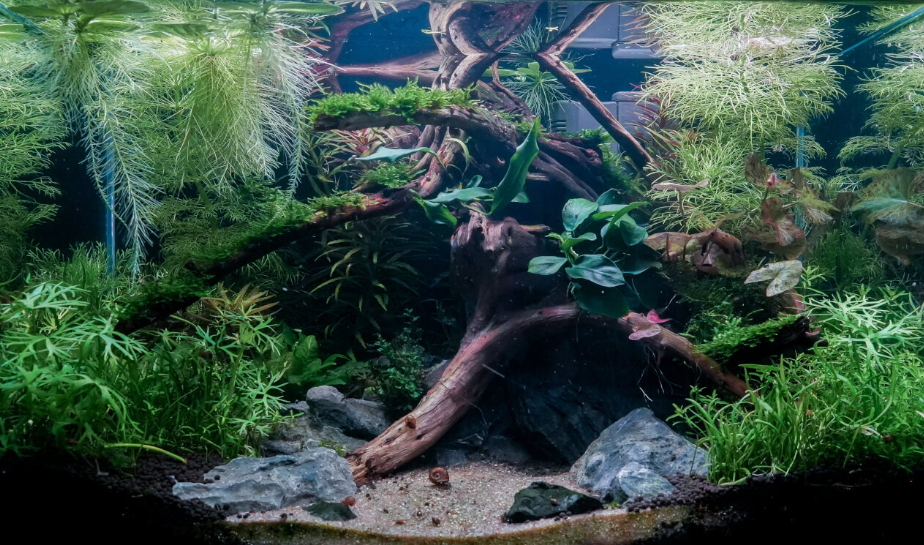
When designing a stunning planted aquarium, hardscape is the foundation of your aquascape. Hardscaping refers to the wood and stone elements that add structure, depth, and visual impact to your aquarium. Among these materials, driftwood is one of the most versatile and natural-looking choices for aquascaping. It can be used to mimic forest landscapes, create dramatic focal points, and provide a base for plant growth.
In this guide, we’ll walk you through how to use driftwood in aquascaping – from selecting the right type of aquarium wood to preparing it, placing it, and maintaining it for long-term success. Read on to learn more.
Driftwood is more than just a decorative element—it plays a critical role in both the aesthetics and biology of your aquarium. Its natural texture and organic shape bring a sense of realism that’s difficult to achieve with artificial décor.
From a functional standpoint, driftwood acts as a surface for beneficial bacteria, helping support a healthy aquarium ecosystem. It also serves as an ideal anchor for epiphytic plants such as Anubias, Bucephalandra, and aquarium mosses. These plants attach naturally to wood by sending roots or rhizomes into its crevices.
Additionally, certain fish species, such as plecos and otocinclus, graze on wood as part of their natural diet, making driftwood an important addition to their health and well-being.
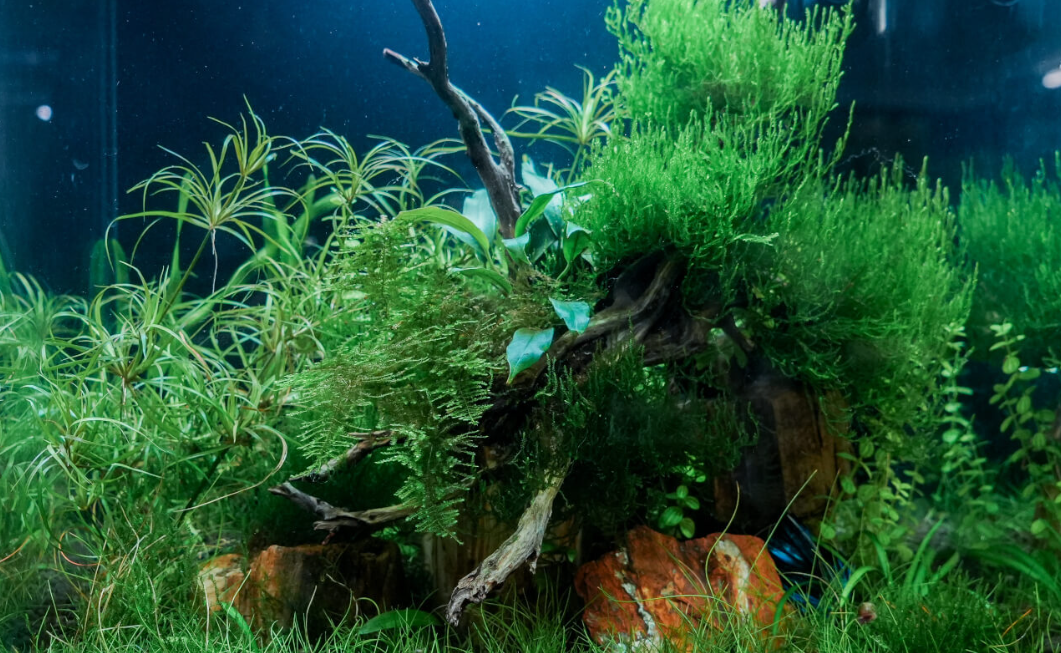
Before selecting driftwood, it’s important to carefully plan your aquascape layout. Start by measuring the internal dimensions of your aquarium to ensure your hardscaping fits properly. If you’re planning an emergent design where wood extends above the waterline, make sure to account for lighting clearance.
For inspiration, study professional aquascapes, visit your local fish store, or browse aquascaping competitions like the IAPLC or AGA. Many aquarium shops also offer “aquascaping dojo” areas where you can experiment with layouts before purchasing materials. Always take a photo of your design before disassembling it—this makes reassembly much easier.
Keep in mind that most professional aquascapes are built from multiple smaller pieces of wood and stone, combined into a cohesive structure. Think of it as sculpting rather than placing a single centerpiece.
Be sure to leave space for plants: background plants in the rear, midground plants for transition, and foreground plants or open substrate in the front. Avoid overcrowding your aquarium with hardscape, and ensure you can still clean the glass and maintain proper water flow throughout the tank.
Choosing the right type of driftwood is key to a successful aquascape. Here are some of the most popular options:
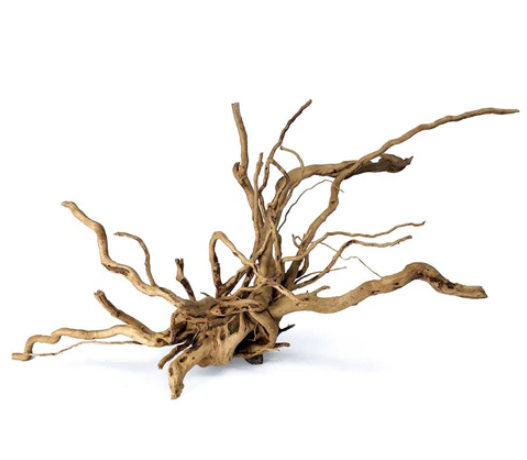
Spider Wood (Red Moor Wood): A favorite among aquascapers, spider wood features intricate branching structures that resemble tree roots. Initially light in color, it darkens over time and is ideal for creating dynamic, natural layouts.
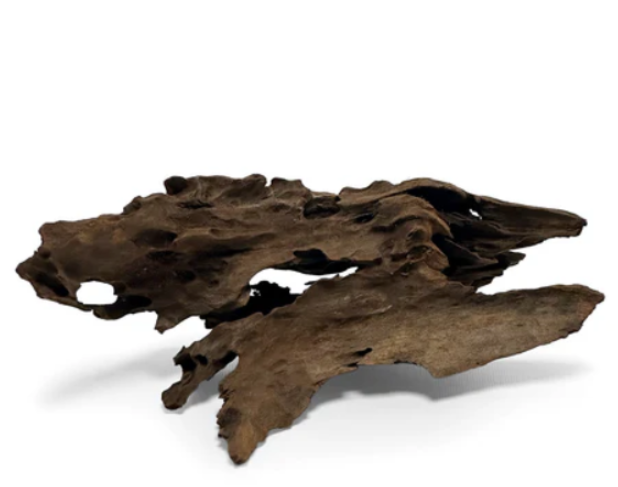
Malaysian Driftwood: This dense, dark wood is known for its durability and minimal tannin release. Its rich tones and solid structure make it perfect for building bold, jungle-style aquascapes.
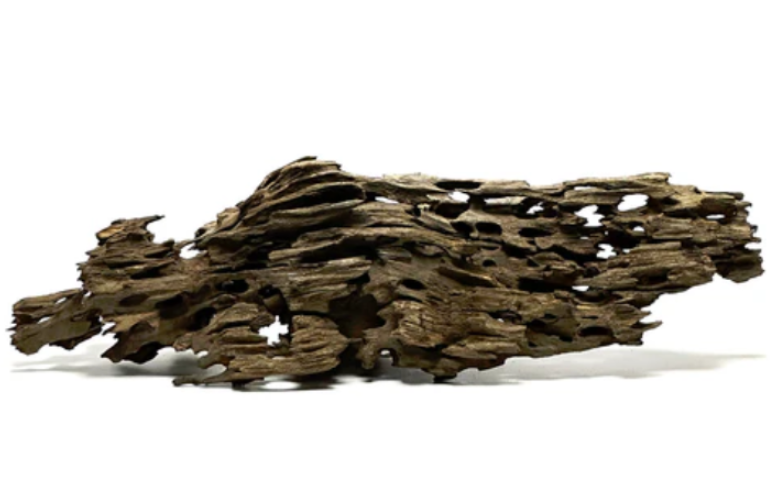
Ohko Wood: Recognizable for its textured, honeycomb surface, Ohko wood pairs beautifully with stone and provides excellent surfaces for plant attachment. It also creates natural hiding spots for shrimp and small fish.
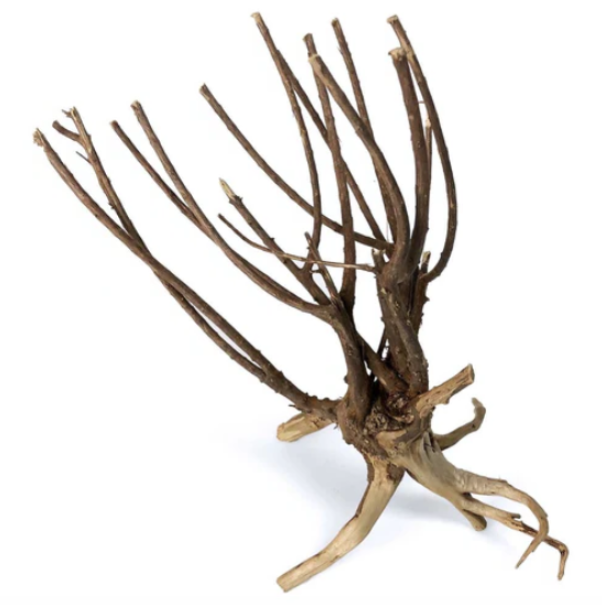
Tiger Wood: Tiger Wood is a great choice for aquascaping when you want dramatic structure and a more striking visual impact. Its tall, delicate branches can create a tree-like effect, making it ideal for forest-style layouts or designs where the wood rises above the waterline. It’s also great for attaching mosses and epiphyte plants, which adds even more depth and character to an aquascape.
Strategic placement of driftwood can transform your aquarium into a visually compelling landscape.
To create depth, place larger, thicker pieces toward the front and smaller, thinner branches toward the back. This mimics natural perspective, similar to how trees appear smaller in the distance.
For movement, angle your wood pieces so they guide the viewer’s eye toward a focal point. Avoid placing wood flat or parallel to the tank walls. Dynamic angles create a more natural and engaging layout.
Driftwood can also be used structurally by pairing it with stone to support elevated substrate areas. This is especially useful when building slopes or terraces in your aquascape
One of the biggest challenges with driftwood is buoyancy. Instead of prolonged soaking or boiling, which can weaken the wood, you can secure it using stone, cotton balls and aquarium-safe super glue (cyanoacrylate).
Here’s a proven method:
Before the final setup, perform a fill test to ensure nothing shifts or floats, and to rinse any excess debris off your hardscape. Drain the aquarium again before planting.
Pro Tip: Glue your stone structure as well. Even though stone doesn’t float, it can shift during maintenance and destabilize your aquascape.
It’s normal for new driftwood to release tannins, which can tint the water a tea-like color. While harmless (and even beneficial in some setups), excessive tannins can be reduced through regular water changes.
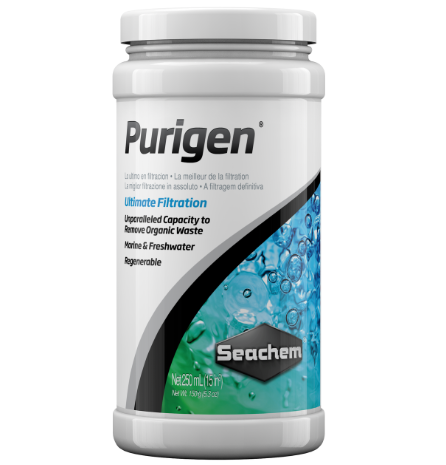
Using filtration media like Seachem Purigen can also help remove tannins and organic waste without stripping essential nutrients.
You may also notice a white, fungus-like growth on new wood; this is a harmless biofilm. It can be removed manually with a toothbrush or left for shrimp and other organisms to consume. This phase is temporary and typically resolves on its own.
Maintaining your hardscape is essential to keeping your aquascape looking its best. A consistent routine will prevent algae buildup and preserve the integrity of your design.
With proper care, driftwood can remain a beautiful and functional part of your aquarium for years.
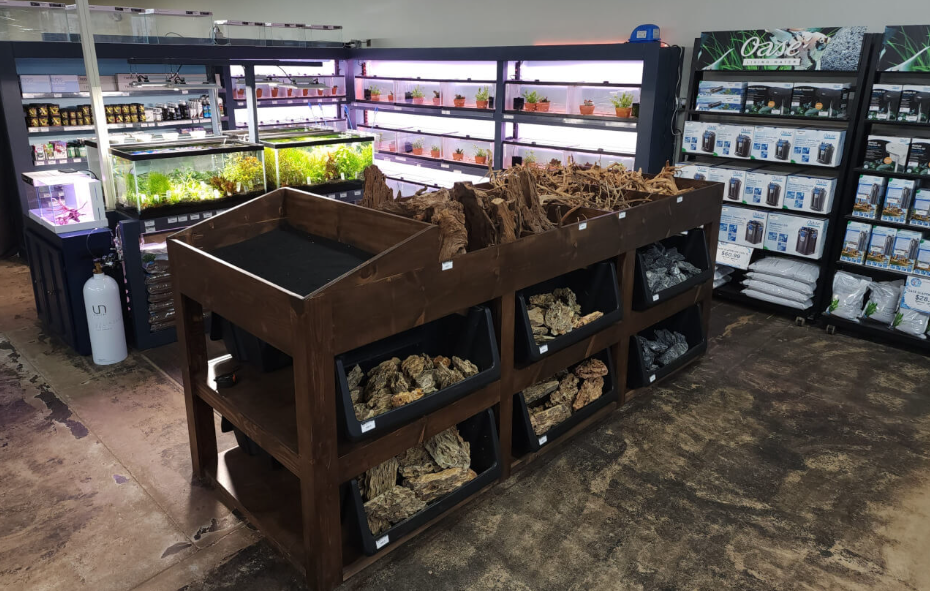
Your hardscape is the backbone of your aquascape. A well-designed driftwood layout not only enhances visual appeal but also supports plant growth, fish health, and long-term stability.
Taking the time to carefully plan, build, and maintain your aquarium wood structure will make all the difference between an average tank and a truly breathtaking aquascape.
If you’re looking for expert guidance, inspiration, or high-quality driftwood for aquascaping, the team at Fitz’s Fish Ponds is always here to help you bring your vision to life. Learn more about our Aquascaping Services. Got questions? We’re here to help. Talk to An Expert or call us at (908) 420-9908.
| Hours | |
|---|---|
| sunday | 10:00-5:00 |
| monday | 9:00-6:00 |
| tuesday | 9:00-6:00 |
| wednesday | 9:00-6:00 |
| thursday | 9:00-6:00 |
| friday | 9:00-6:00 |
| saturday | 9:00-6:00 |
| Hours | |
|---|---|
| sunday | 10:00-5:00 |
| monday | 9:00-6:00 |
| tuesday | 9:00-6:00 |
| wednesday | 9:00-6:00 |
| thursday | 9:00-6:00 |
| friday | 9:00-6:00 |
| saturday | 9:00-6:00 |
| Hours | |
|---|---|
| sunday | 10:00-5:00 |
| monday | 9:00-6:00 |
| tuesday | 9:00-6:00 |
| wednesday | 9:00-6:00 |
| thursday | 9:00-6:00 |
| friday | 9:00-6:00 |
| saturday | 9:00-6:00 |
| Hours | |
|---|---|
| sunday | 10:00-5:00 |
| monday | 9:00-6:00 |
| tuesday | 9:00-6:00 |
| wednesday | 9:00-6:00 |
| thursday | 9:00-6:00 |
| friday | 9:00-6:00 |
| saturday | 9:00-6:00 |
| Hours | |
|---|---|
| sunday | Closed |
| monday | 9:00-5:00 |
| tuesday | 9:00-5:00 |
| wednesday | 9:00-5:00 |
| thursday | 9:00-5:00 |
| friday | 9:00-5:00 |
| saturday | Closed |
| Hours | |
|---|---|
| sunday | 10:00-5:00 |
| monday | 9:00-6:00 |
| tuesday | 9:00-6:00 |
| wednesday | 9:00-6:00 |
| thursday | 9:00-6:00 |
| friday | 9:00-6:00 |
| saturday | 9:00-6:00 |
| Hours | |
|---|---|
| sunday | Closed |
| monday | 9:00-6:00 |
| tuesday | 9:00-6:00 |
| wednesday | 9:00-6:00 |
| thursday | 9:00-6:00 |
| friday | 9:00-6:00 |
| saturday | 9:00-6:00 |
| Hours | |
|---|---|
| Sunday | Closed |
| Monday | Closed |
| Tuesday | 10:00-5:00 |
| Wednesday | 10:00-5:00 |
| Thursday | 10:00-5:00 |
| Friday | 10:00-5:00 |
| Saturday | 10:00-5:00 |
| Hours | |
|---|---|
| Sunday | 10:00-4:00 |
| Monday | Closed |
| Tuesday | 10:00-5:00 |
| Wednesday | 10:00-5:00 |
| Thursday | 10:00-5:00 |
| Friday | 10:00-5:00 |
| Saturday | 10:00-5:00 |