What Do Grass Carp Eat? Pond Diet And Weed Control Guide
Sep 19th 2026

Sep 19th 2026
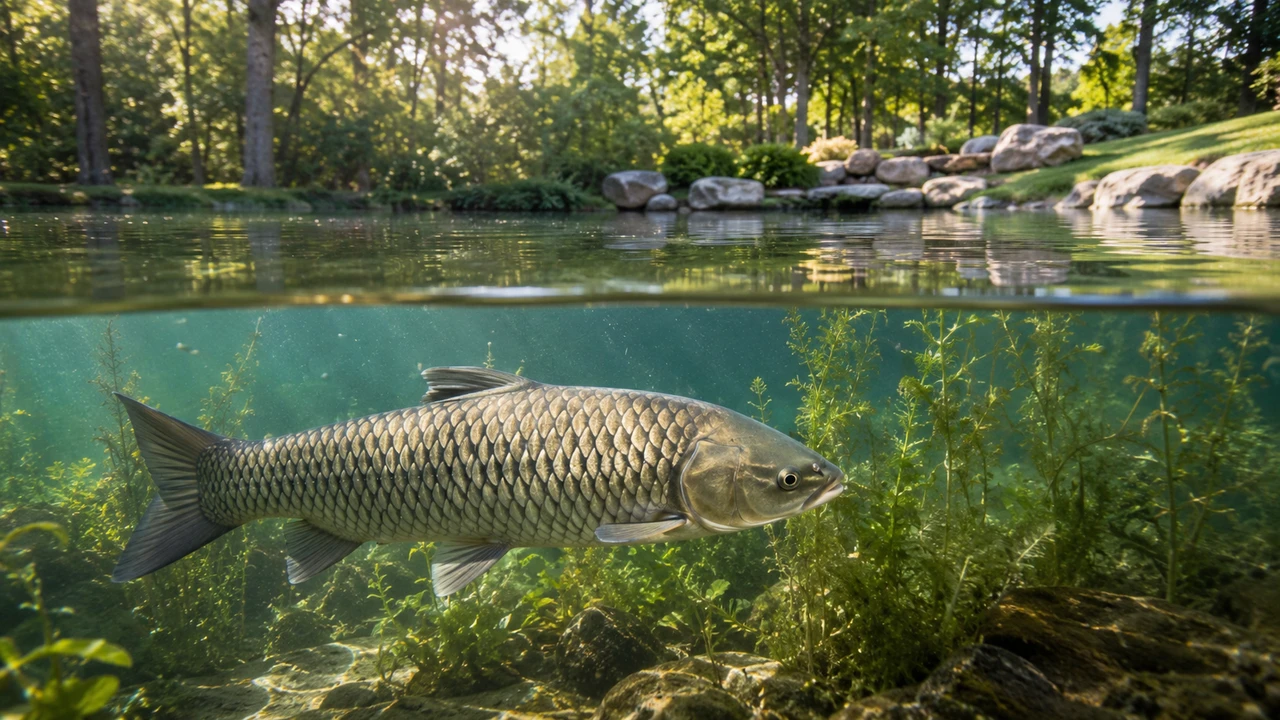
Grass carp are plant-eating fish that primarily feed on aquatic vegetation, especially soft submerged plants and tender pond weeds. That feeding behavior is why they’re often considered for private ponds, lakes, and larger water features where aquatic growth has become difficult to manage. They can be useful, but their value depends heavily on what is actually growing in the pond.
A common mistake is assuming grass carp will eat anything green. They won’t. Some plants are far more appealing than others, and certain algae problems, sludge buildup, poor circulation, and excess nutrients need completely different solutions. Pond owners get better results when they understand the fish’s diet first and treat them as one part of a wider pond-management plan.
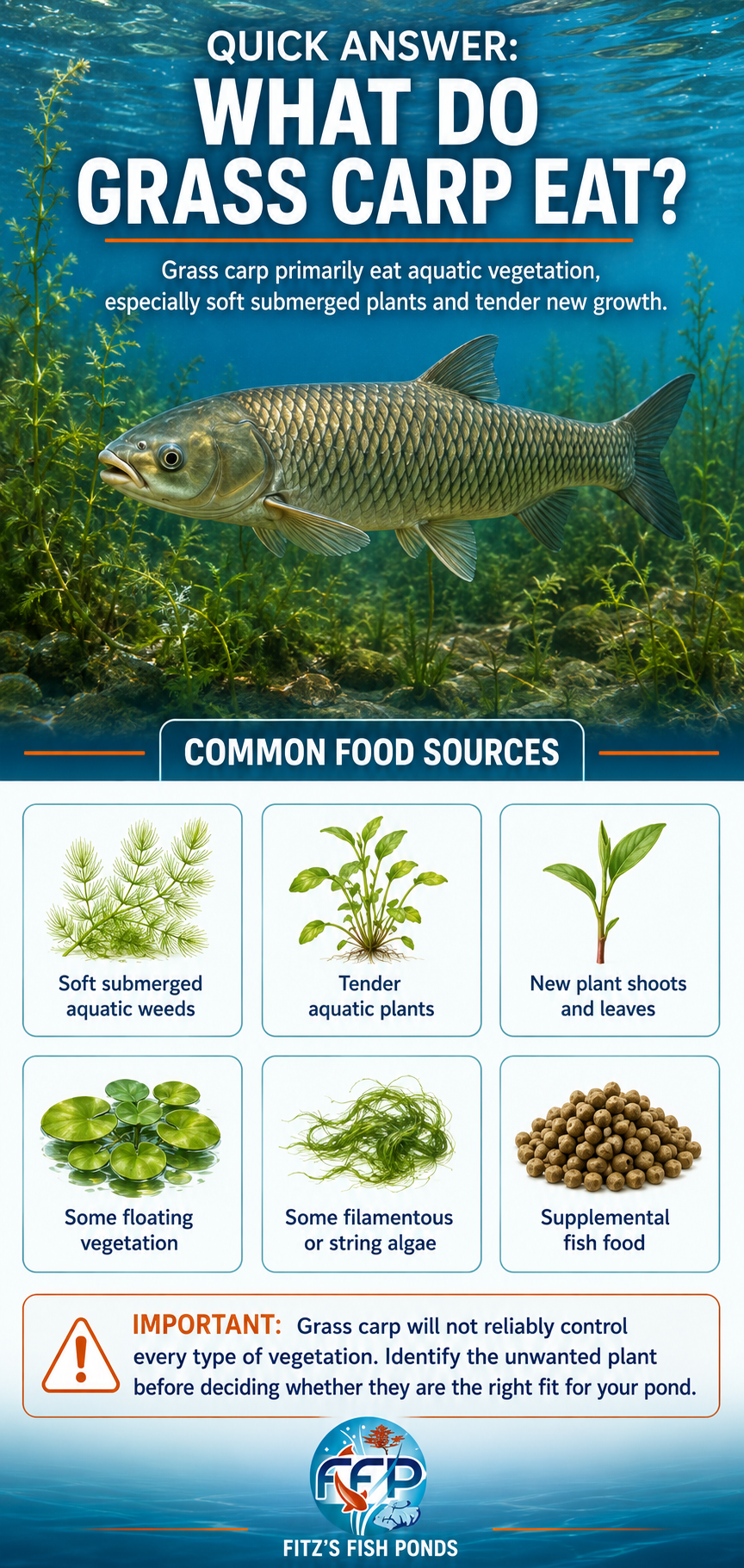
Grass carp primarily eat aquatic vegetation. Soft submerged plants and tender new growth are often especially attractive, while tougher, mature, or fibrous plants may receive less attention. Their diet can shift depending on available vegetation, fish size, water temperature, and the overall pond environment.
Common food sources may include:
That doesn’t mean grass carp will reliably control every item on that list. Eating a plant occasionally is different from eating enough to reduce a serious infestation. Pond owners should identify the unwanted vegetation before deciding whether these fish are a good fit.
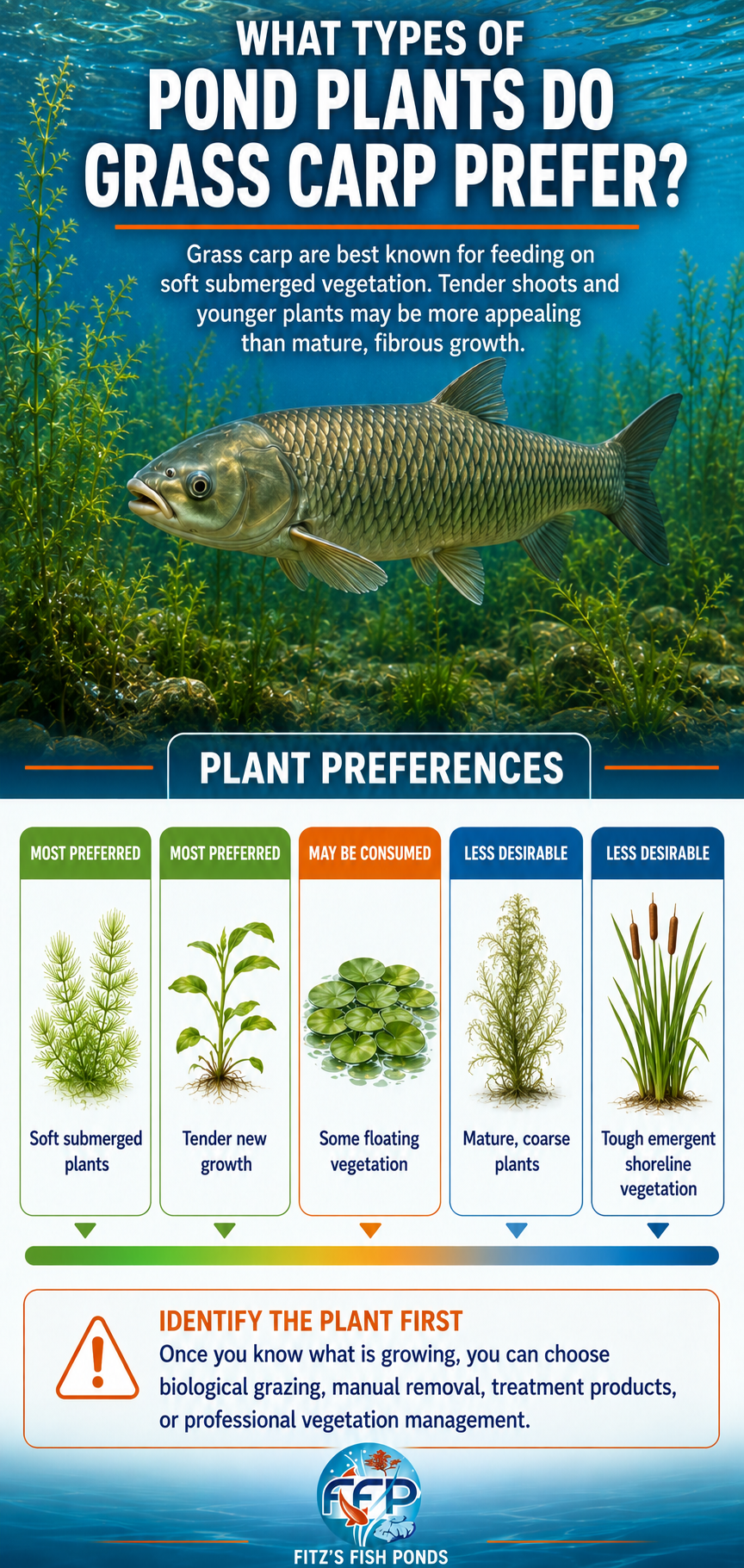
Grass carp are best known for feeding on soft submerged vegetation. Plants growing beneath the surface are generally easier for them to reach and graze than tall, fibrous growth along the shoreline. Tender shoots and younger plants may also be more appealing than mature stands.
Think of their preferences in broad categories:
That variation is important because pond weeds aren’t all the same. A property owner dealing with thick underwater growth may have a very different experience from someone trying to reduce cattail-like shoreline vegetation.
Plant identification should come first. Once you know what’s growing, you can decide whether biological grazing, manual removal, treatment products, or professional vegetation management makes the most sense.
Grass carp are primarily herbivorous, but they aren’t indiscriminate feeders. They often choose vegetation based on texture, tenderness, and accessibility. New growth is often easier to consume than older plants with thick stems, coarse leaves, or tough root structures. Younger carp typically eat small insects in the pond and will shift to pond vegetation as it grows.
Food availability also shapes behavior. A pond with an abundance of preferred submerged vegetation may see heavy grazing in those areas while tougher shoreline plants remain largely untouched. Another pond with fewer preferred plants may produce very different results from the same type of fish.
Temperature can also influence feeding activity. Like other pond fish, grass carp tend to become more active during warmer periods and less active as water cools. That means vegetation control may change throughout the year rather than remain constant every month.
At temperatures below 55 degrees Fahrenheit, the carp’s metabolic rate slows significantly, causing them to slow or even stop eating during the winter months.
You should consider their diet alongside the existing plant community. Knowing the species or type of weed causing trouble is far more useful than simply seeing a green pond and assuming a plant-eating fish will fix it.
Grass carp are best known for feeding on soft submerged vegetation. Plants growing beneath the surface are generally easier for them to reach and graze than tall, fibrous growth along the shoreline. Tender shoots and younger plants may also be more appealing than mature stands.
Think of their preferences in broad categories:
That variation is important because pond weeds aren’t all the same. A property owner dealing with thick underwater growth may have a very different experience from someone trying to reduce cattail-like shoreline vegetation.
Plant identification should come first. Once you know what’s growing, you can decide whether biological grazing, manual removal, treatment products, or professional vegetation management makes the most sense.
Grass carp may consume some algae, but they aren’t a dependable answer for every algae problem. They’re far better known for eating aquatic vegetation than for controlling persistent algae blooms.
They may occasionally graze string or filamentous algae, especially when preferred plant material is limited. Results can be inconsistent because algae may not be their first choice if softer vegetation is available elsewhere in the pond.
Green water is a different issue. The microscopic algae that turn pond water green are suspended throughout the water column, making them a poor target for vegetation-feeding fish. Water clarity problems like these are usually better addressed through a combination of filtration, nutrient control, aeration, beneficial bacteria, UV clarification where appropriate, and targeted treatments.
If algae is the main concern, don’t add grass carp and hope for the best. Identify the type of algae and treat the actual cause instead.
Need help treating algae? Fitz’s Fish Ponds can help! Learn more about our Pond Services, which include algae treatment services. Talk to an Expert Online or call us with questions at (908) 420-9908.
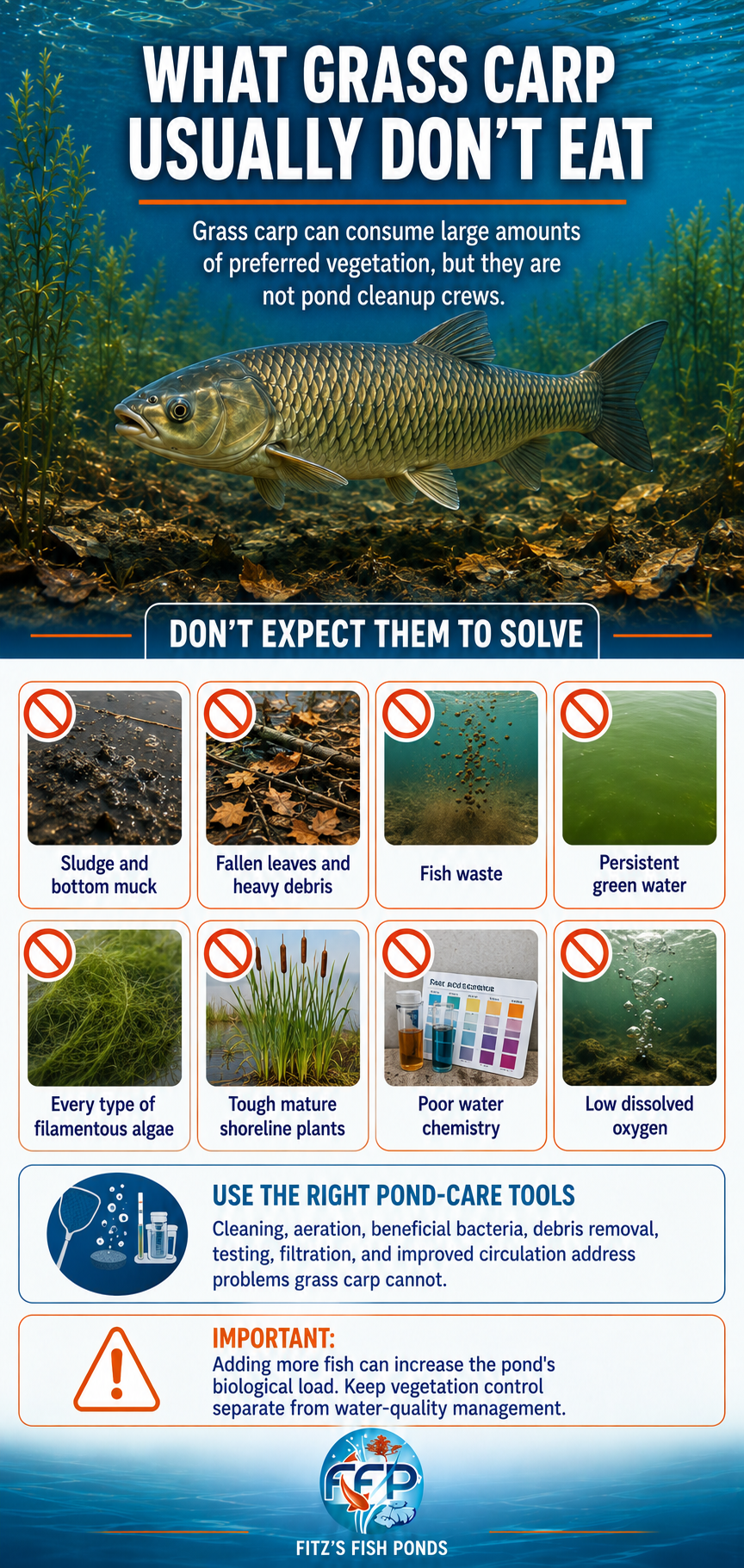
Grass carp aren’t pond cleanup crews. They can consume large amounts of preferred vegetation, but they won’t remove every unwanted material sitting in the water.
They shouldn’t be expected to solve:
Manage sludge and organic debris through cleaning, aeration, beneficial bacteria, debris removal, and routine pond care. Poor water quality may require testing, filtration improvements, circulation changes, or other treatments.
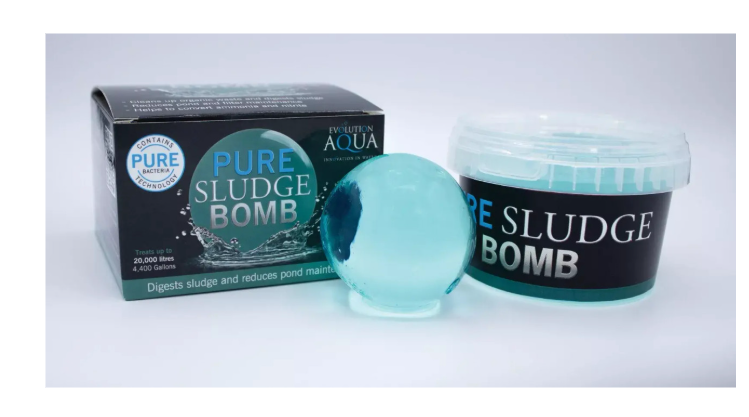
Need help treating sludge in your pond? Check out our preferred method: Evolution Aqua Pure Sludge Bomb.
Adding more fish can actually increase the biological load on a pond. That makes it especially important to separate vegetation control from water-quality management.
A quick comparison can help clarify where grass carp may be useful and where another approach makes more sense.
|
Food Source |
Do Grass Carp Eat It? |
What Pond Owners Should Know |
|
Submerged aquatic weeds |
Often |
One of their primary vegetation targets |
|
Soft aquatic plants |
Yes |
Tender plants are commonly preferred |
|
Floating plants |
Sometimes |
Depends on species and availability |
|
String algae |
Sometimes |
Feeding can be inconsistent |
|
Green water algae |
Not reliably |
Better handled through water management |
|
Shoreline plants |
Less likely |
Tough mature growth may remain |
|
Fish food |
Sometimes |
May eat supplemental feed if available |
|
Sludge and muck |
No |
Requires cleaning and pond care |
|
Organic debris |
Not a solution |
Needs removal or breakdown through maintenance |
Treat these categories as general tendencies, not guarantees. Fish behavior, water temperature, vegetation type, and available food can all affect feeding.
Grass carp can be effective for certain vegetation problems, particularly where unwanted submerged plants match their preferred diet. That makes them appealing for larger private ponds and natural water features where manual removal becomes difficult or time-consuming.
Continuous grazing is one advantage. Instead of removing weeds once and watching them return, the fish remain in the pond and continue feeding on vegetation that appeals to them.
They may help create:
Success still depends on using them for the right job. If the problem is green water, sludge, nutrient runoff, or vegetation they don’t prefer, adding grass carp may have very little effect.
One of the main reasons pond owners consider grass carp is convenience. Aquatic weeds can grow quickly during warm weather, and repeated cutting, raking, or pulling can become exhausting in larger ponds.
Need help clearing aquatic weeds? Check out our preferred product for this: Diquat Herbicide for Submerged & Emerged aquatic weeds & plants - 2.5 gallon
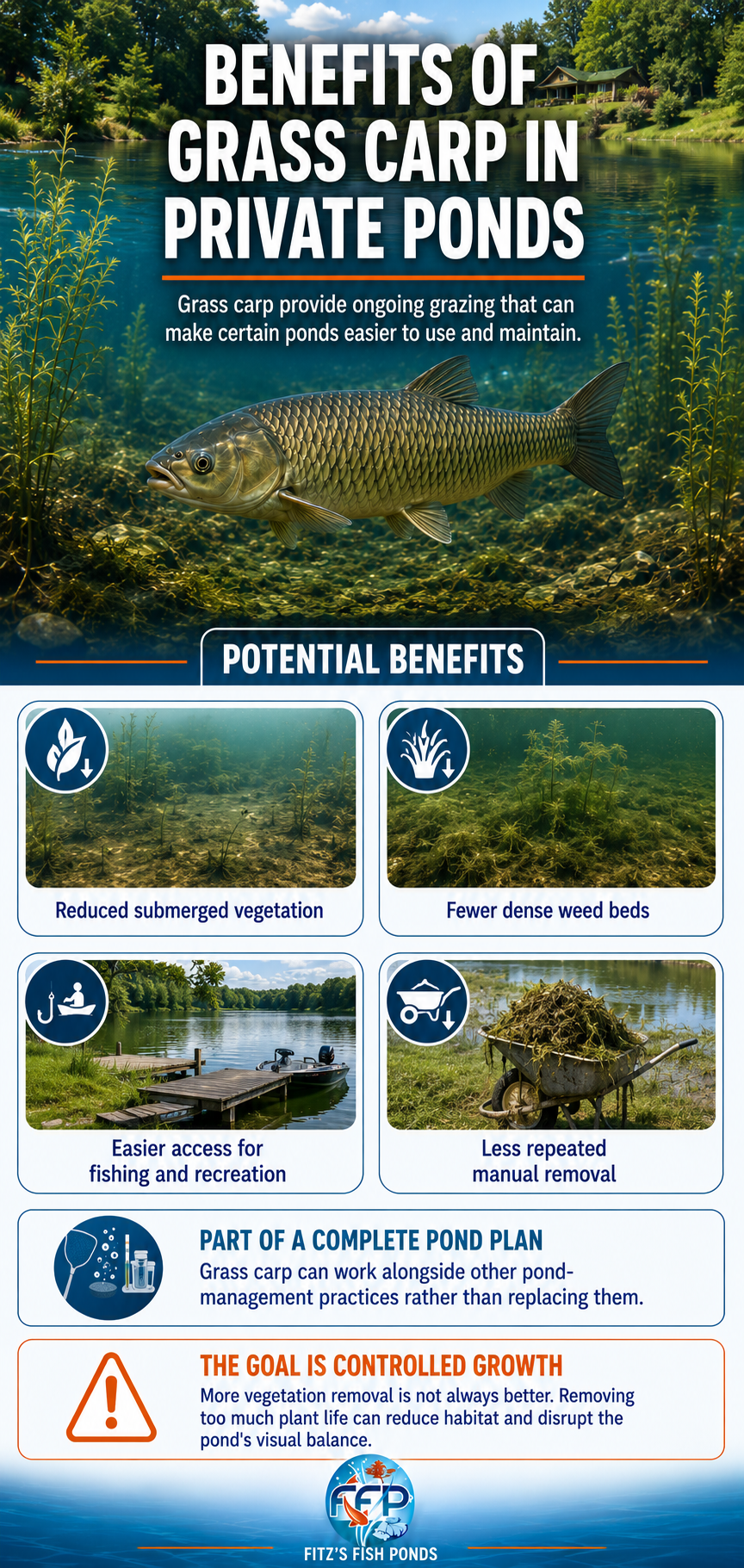
Grass carp provide ongoing grazing without requiring the owner to physically remove every new patch of submerged growth. That can make certain ponds easier to use and maintain over time.
Their benefits may include reduced submerged vegetation, fewer dense weed beds, easier access to fishing or recreational areas, and less repeated manual removal. They can also work alongside other pond-management practices rather than replacing them.
The key is restraint. More vegetation removal isn’t always better, and a pond stripped of too much plant life can lose habitat and visual balance. The goal should usually be controlled growth, not complete elimination.
Grass carp solve a fairly specific problem: they eat certain aquatic plants. They don’t address the underlying causes of every pond issue, and expecting them to can delay a more effective solution.
Nutrient-rich runoff may continue feeding algae. Poor circulation can still create stagnant areas. Organic waste can continue accumulating along the bottom, and insufficient aeration can still leave fish struggling during hot weather.
Grass carp also don’t reliably solve:
There’s another consideration. Grass carp may consume desirable vegetation before they eat the tougher plants you actually wanted removed. That can change habitat, appearance, and shoreline structure in ways the owner didn’t intend.
A good pond plan starts with diagnosis, not automatically adding more fish.
Weeds, algae, and poor water quality can appear together, but they aren’t the same problem. Excess nutrients from fish waste, decaying vegetation, runoff, leaves, and other organic material can support unwanted growth even after some plants are eaten.
Beneficial bacteria can help break down organic material and support routine pond management. Aeration improves oxygen exchange, while circulation reduces stagnant areas and moves water through the system more effectively.
Need help choosing beneficial bacteria for your pond? Check out our preferred treatment: Evolution Aqua Pure Pond 1000ml
Filtration, water treatments, and debris removal may also be necessary depending on the pond. These methods address different pieces of the system than vegetation-feeding fish do.
That distinction keeps pond care practical. Grass carp manage plants they actually consume. Water-quality tools manage water conditions. Maintenance handles accumulated debris. Each has a different job, and healthy ponds usually depend on several of these elements working together.
The simple answer is: no. However, they can reduce vegetation dramatically in the right conditions, but completely clearing a pond shouldn’t automatically be the goal. Aquatic plants can provide habitat, shade, structure, and food for other organisms living in and around the water.
Grass carp may also feed selectively. Preferred plants can disappear while tougher species remain, creating a pond that looks very different without fully solving the original issue.
Pond owners should think in terms of management rather than total removal. Reducing dense growth enough to improve access and maintain open water is often more practical than trying to eliminate every plant.
A balanced pond still needs structure and habitat. Controlled vegetation gives owners more flexibility without turning the water into a bare basin.
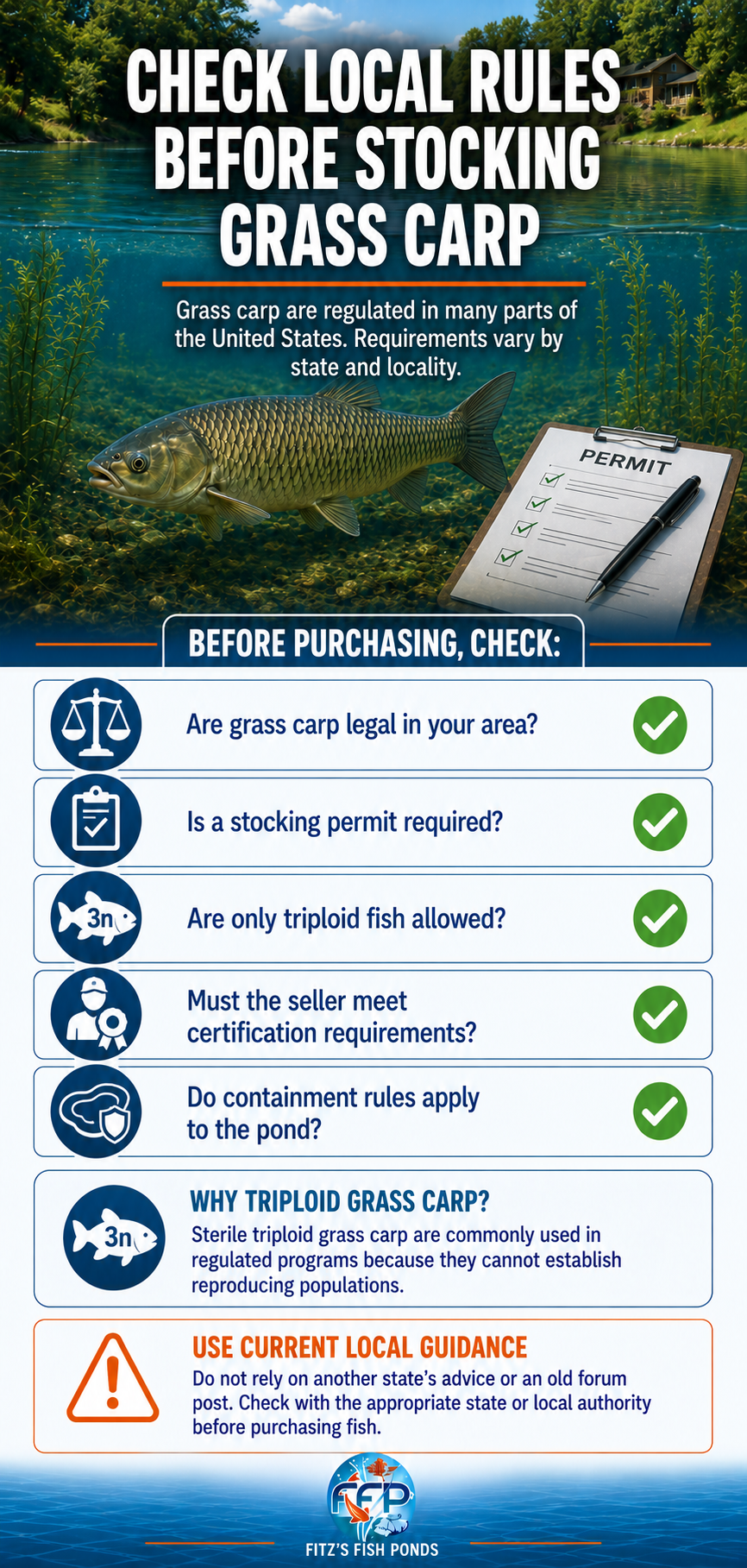
Grass carp are regulated in many parts of the United States, so stocking them isn’t as simple as buying fish and releasing them into a pond. Requirements vary by state and locality, and some areas limit which type of grass carp you can legally stock.
Sterile triploid grass carp are commonly used in regulated programs because they cannot establish reproducing populations. Some jurisdictions may require permits, approved suppliers, documentation, or specific stocking conditions.
Before purchasing fish, check:
Don’t rely on advice from another state or an old forum post. Regulations can vary considerably, so current local guidance is the right starting point.
Grass carp are only one tool. Pond owners have several other options depending on the specific type of vegetation or water-quality problem they’re trying to control.
Other management methods may include:
The best combination depends on what’s actually happening in the water. A pond with dense submerged weeds needs a different approach from one with thick string algae or suspended green water.
Avoid stacking treatments randomly. Identify the issue, check water conditions, and choose methods that address the actual cause rather than everything that happens to be green.
DIY care can handle plenty of small pond problems, but recurring or severe vegetation issues deserve a closer look. If weeds return immediately after treatment, algae becomes difficult to control, water clarity changes dramatically, or you can’t identify the plant causing trouble, professional help can save a lot of trial and error.
Large natural ponds and lakes can also be difficult to manage without the right equipment and experience. A professional can evaluate vegetation, water conditions, aeration, circulation, debris, and the overall pond structure before recommending a plan.
Fitz’s Fish Ponds can help pond owners dealing with vegetation, algae, water-quality concerns, and ongoing maintenance. Getting the diagnosis right first often prevents unnecessary spending on fish, treatments, or equipment that won’t solve the actual problem.
The answer to what grass carp eat is simple enough: mostly aquatic vegetation, especially softer submerged growth. The harder question is whether the vegetation in your pond is something they’ll control effectively.
That’s why the strongest pond-management plans combine the right tool with the right problem. Grass carp may handle selected weeds, while beneficial bacteria, aeration, filtration, algae treatments, cleaning, and water testing address other conditions.
Identify first. Treat second. That approach is more predictable than expecting one fish, chemical, or piece of equipment to fix every pond issue at once.
Grass carp can be useful, but healthy pond management rarely comes down to one fish or one treatment. Fitz’s Fish Ponds can help with pond weed and algae control, beneficial bacteria, water treatments, pond supplies, aeration, maintenance, and broader pond-care needs.
If your pond has recurring weeds, string algae, green water, organic buildup, or poor clarity, start by identifying what’s causing the problem. Fitz’s can help you build a management plan for your pond instead of guessing at the next product or solution.
Learn more about our Pond Services, which include algae treatment services. Talk to an Expert Online or call us with questions at (908) 420-9908.
What Do Grass Carp Eat?
Grass carp primarily eat aquatic vegetation, especially softer submerged plants and tender new growth. They may also consume some floating vegetation and occasional algae depending on what is available. Their feeding preferences can change according to fish size, plant type, temperature, and pond conditions. Don’t expect them to eat every plant growing in the water.
Do Grass Carp Eat Pond Weeds?
Yes, many pond owners use grass carp to help manage certain submerged aquatic weeds. Their effectiveness depends heavily on the species and maturity of the vegetation. Soft underwater plants are generally more attractive than tough shoreline growth. Identifying the weed first helps you decide whether grass carp are likely to help.
Do Grass Carp Eat Algae?
They may eat some algae, especially accessible filamentous growth, but algae isn’t always their preferred food. Their ability to control string algae can be inconsistent, and they’re not a dependable solution for green water. Persistent algae problems usually require attention to nutrients, water quality, circulation, aeration, and other conditions. Treat algae based on the type you actually have.
Do Grass Carp Eat String Algae?
Grass carp may graze on string algae in some ponds, particularly if more desirable vegetation is limited. That doesn’t make them a guaranteed treatment for string algae. A pond with heavy filamentous growth may need manual removal, algae-control products, improved circulation, beneficial bacteria, or other management methods. You should also address the underlying cause.
Do Grass Carp Eat Sludge Or Muck?
No, grass carp aren’t a sludge-removal solution. Pond muck consists of accumulated organic material such as dead vegetation, waste, and other debris that settles along the bottom. Beneficial bacteria, aeration, pond cleaning, and organic waste management are more appropriate tools. Adding fish won’t remove an existing layer of bottom sludge.
Are Grass Carp Good For Ponds?
They can be useful in ponds with the right vegetation problem. Continuous grazing may reduce selected submerged weeds and decrease the need for repeated manual removal. They still add biological load to the pond and can change desirable plant growth along with unwanted vegetation. Their use should fit a larger plan rather than serve as the entire plan.
Can Grass Carp Completely Clear A Pond?
Grass carp can reduce aquatic vegetation substantially under the right conditions, but complete clearing isn’t guaranteed or necessarily desirable. They may eat preferred plants heavily while leaving tougher vegetation behind. Aquatic plants can also provide important habitat and structure. Controlled growth is generally a more useful goal than removing every plant.
Are Grass Carp Legal Everywhere?
No. Regulations vary by state and local jurisdiction, and some areas restrict grass carp or require sterile triploid fish. Permits, certification, approved suppliers, or containment requirements may also apply. Always check current local regulations before purchasing or stocking grass carp. Confirm legal requirements before any fish enters the pond.
Should I Add Grass Carp To Control My Pond Weeds?
Start by identifying the vegetation first. If you have a submerged plant that grass carp commonly consume and local regulations allow stocking, they may be worth considering as part of your management plan. If the real problem is algae, sludge, poor water quality, or tough shoreline vegetation, another approach may work better. A pond professional can help identify the issue before you commit to stocking fish.
| Hours | |
|---|---|
| sunday | 10:00 AM - 4:00 PM |
| monday | Closed |
| tuesday | 10:00 AM - 5:00 PM |
| wednesday | 10:00 AM - 5:00 PM |
| thursday | 10:00 AM - 5:00 PM |
| friday | 10:00 AM - 5:00 PM |
| saturday | 10:00 AM - 5:00 PM |
| Hours | |
|---|---|
| sunday | 10:00 AM - 5:00 PM |
| monday | Closed |
| tuesday | 11:00 AM - 6:00 PM |
| wednesday | 11:00 AM - 6:00 PM |
| thursday | 11:00 AM - 6:00 PM |
| friday | 11:00 AM - 6:00 PM |
| saturday | 10:00 AM - 5:00 PM |
| Hours | |
|---|---|
| sunday | 10:00 AM - 4:00 PM |
| monday | Closed |
| tuesday | 10:00 AM - 5:00 PM |
| wednesday | 10:00 AM - 5:00 PM |
| thursday | 10:00 AM - 5:00 PM |
| friday | 10:00 AM - 5:00 PM |
| saturday | 10:00 AM - 5:00 PM |
| Hours | |
|---|---|
| sunday | 10:00 AM - 5:00 PM |
| monday | Closed |
| tuesday | 11:00 AM - 6:00 PM |
| wednesday | 11:00 AM - 6:00 PM |
| thursday | 11:00 AM - 6:00 PM |
| friday | 11:00 AM - 6:00 PM |
| saturday | 10:00 AM - 5:00 PM |
| Hours | |
|---|---|
| sunday | Closed |
| monday | 10:00 AM - 4:00 PM |
| tuesday | 10:00 AM - 4:00 PM |
| wednesday | 10:00 AM - 4:00 PM |
| thursday | 10:00 AM - 4:00 PM |
| friday | 10:00 AM - 4:00 PM |
| saturday | Closed |
| Hours | |
|---|---|
| sunday | 10:00 AM - 4:00 PM |
| monday | Closed |
| tuesday | 10:00 AM - 5:00 PM |
| wednesday | 10:00 AM - 5:00 PM |
| thursday | 10:00 AM - 5:00 PM |
| friday | 10:00 AM - 5:00 PM |
| saturday | 10:00 AM - 5:00 PM |
| Hours | |
|---|---|
| sunday | Closed |
| monday | Closed |
| tuesday | 10:00 AM - 5:00 PM |
| wednesday | 10:00 AM - 5:00 PM |
| thursday | 10:00 AM - 5:00 PM |
| friday | 10:00 AM - 5:00 PM |
| saturday | 10:00 AM - 5:00 PM |
| Hours | |
|---|---|
| Sunday | Closed |
| Monday | Closed |
| Tuesday | 10:00 AM - 5:00 PM |
| Wednesday | 10:00 AM - 5:00 PM |
| Thursday | 10:00 AM - 5:00 PM |
| Friday | 10:00 AM - 5:00 PM |
| Saturday | 10:00 AM - 5:00 PM |
| Hours | |
|---|---|
| Sunday | 10:00 AM - 4:00 PM |
| Monday | Closed |
| Tuesday | 10:00 AM - 5:00 PM |
| Wednesday | 10:00 AM - 5:00 PM |
| Thursday | 10:00 AM - 5:00 PM |
| Friday | 10:00 AM - 5:00 PM |
| Saturday | 10:00 AM - 5:00 PM |