Summer Koi Pond Water Quality Guide
Jul 27th 2026

Jul 27th 2026
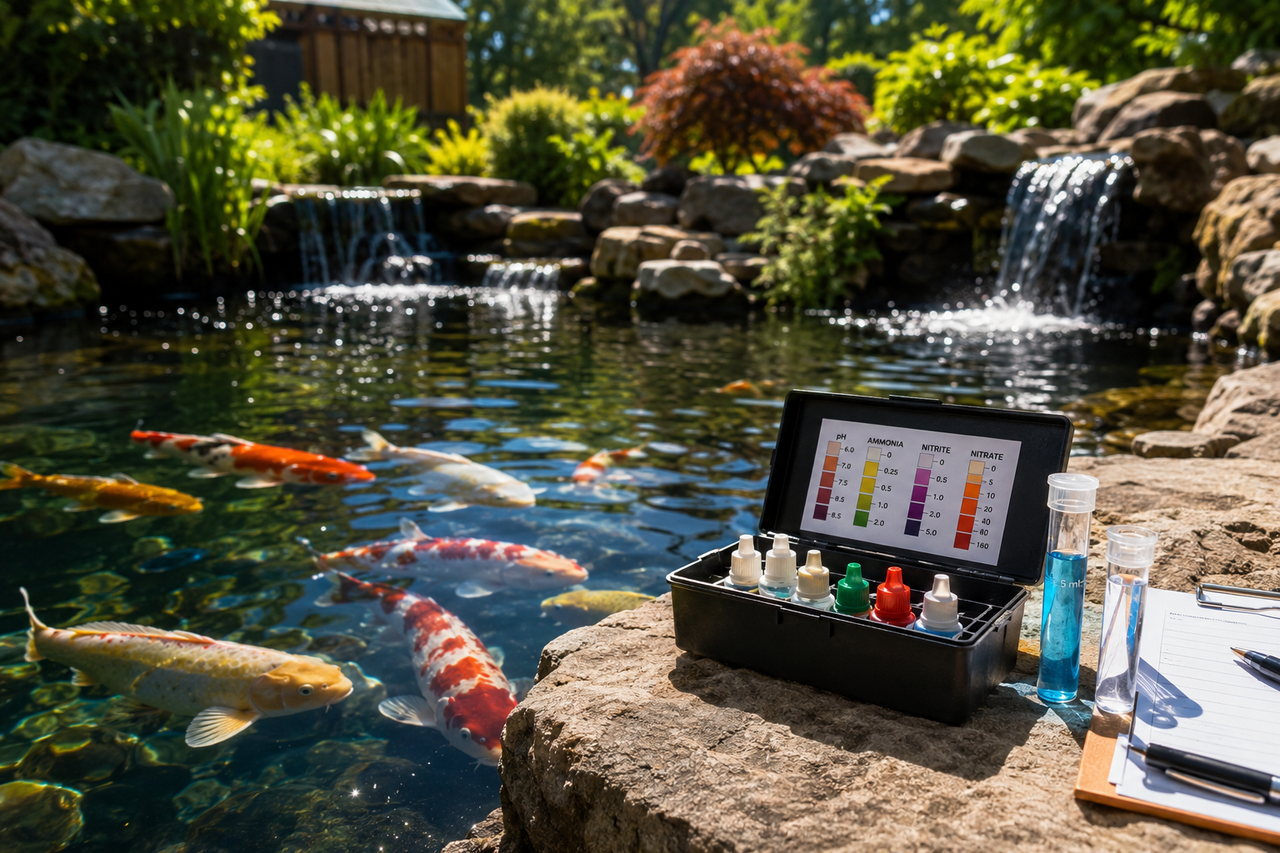
Summer can be one of the most rewarding seasons for koi owners, but it can also be one of the riskiest for pond water quality. Warm weather increases fish activity, feeding, and waste output while lowering the amount of dissolved oxygen the water can hold. That means koi may need more oxygen at the exact time the pond has less available.
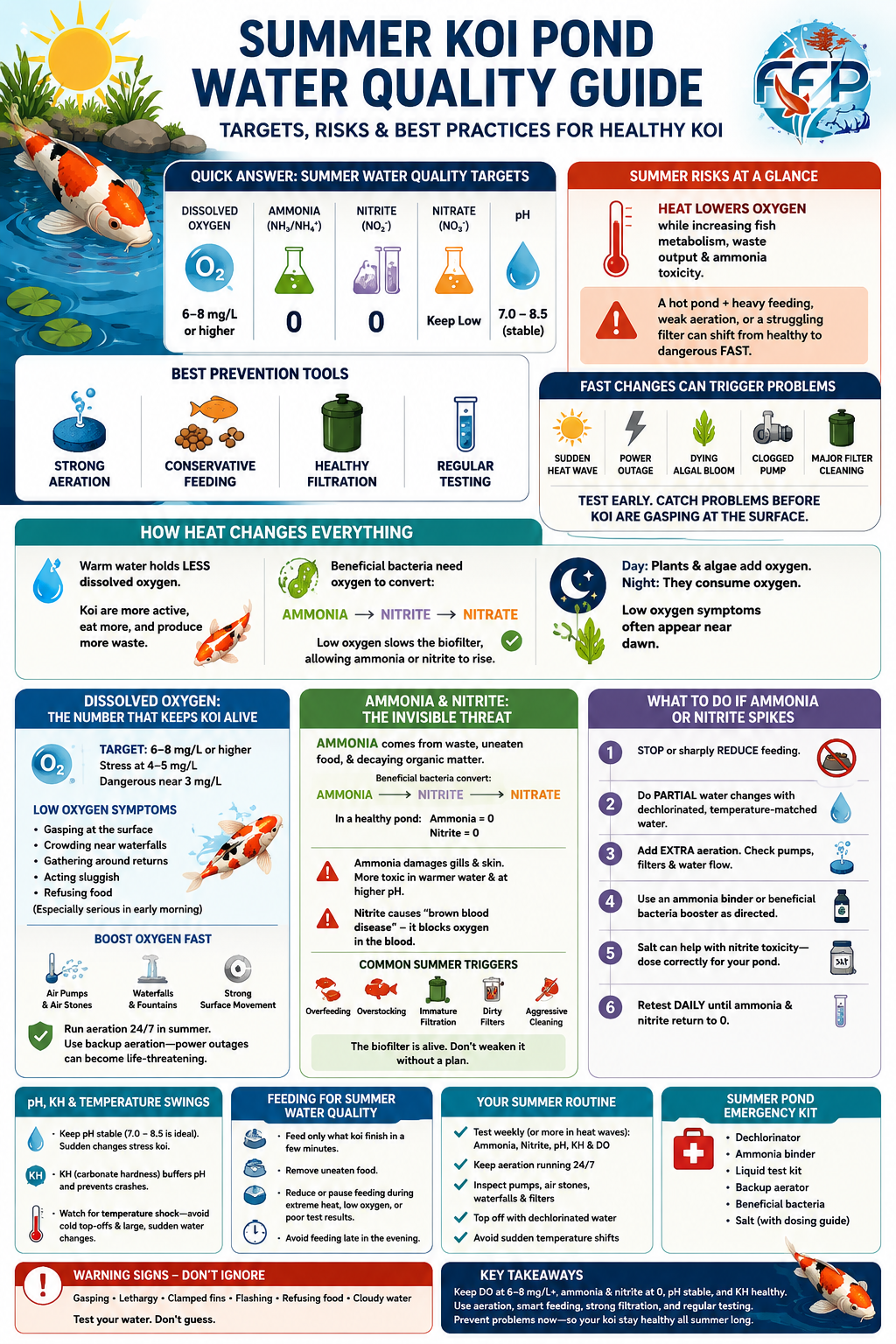
Good summer koi pond water quality comes down to a few core habits: keep oxygen high, keep ammonia low (as close to 0 as possible) and nitrite at zero, avoid overfeeding, support the biofilter, and test often. In most ponds, dissolved oxygen should be at least 6-8 mg/L, while ammonia should be 0-0.25ppm and nitrite should be 0. If those numbers start moving in the wrong direction during a heat wave, fish can become stressed quickly.
Summer pond problems can move fast, especially when heat, feeding, oxygen levels, ammonia, and filtration all start working against the balance of your pond. If your koi are acting stressed, your water test results are off, or you simply want a clearer picture of what’s happening below the surface, Fitz’s Fish Ponds can help. Consider using the Labs Pond 200 Multi-Test Kit to get accurate levels.
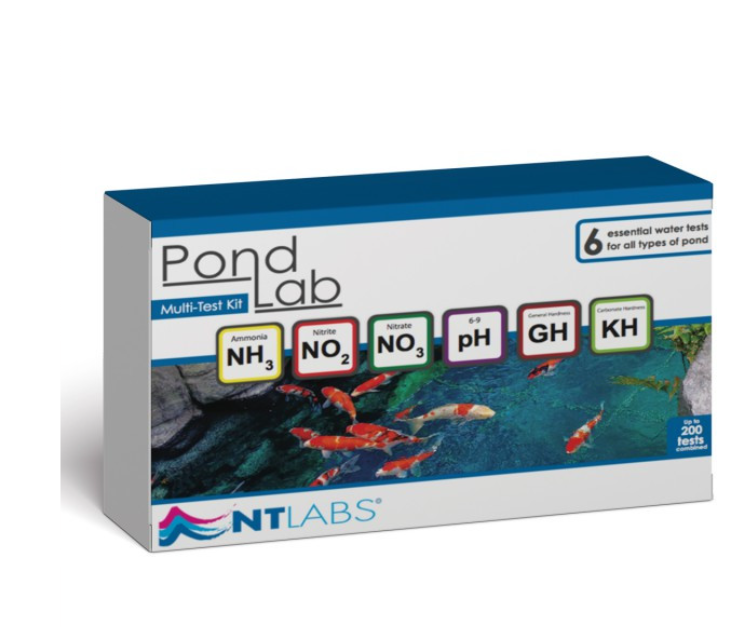
If you need more help, our pond water testing services give you real answers instead of guesswork. We’ll check key water quality factors like pH, ammonia, nitrate, nitrite, hardness, salt levels, and filtration performance, then help you take the right next step for your pond and fish. Call Fitz’s Fish Ponds at (908) 420-9908 or Talk to an Expert Online to keep your koi healthier, safer, and better protected through the hottest weeks of the year.
The safest summer routine starts with clear targets. Dissolved oxygen should generally stay at 6 to 8 mg per liter or higher. Ammonia should be 0- 0.25ppm, nitrite should be 0ppm, nitrate should stay low, and pH should remain stable, often around 7.0 to 8.5 in many koi ponds.
The main summer risk is simple: heat lowers oxygen while raising fish metabolism, waste output, and ammonia toxicity. A hot pond with heavy feeding, weak aeration, or a struggling filter can shift from healthy to dangerous faster than many owners expect. The best prevention tools are strong aeration, conservative feeding, healthy filtration, and regular testing.
Fast changes are often where problems begin. A sudden heat wave, a power outage, a dying algal bloom, a clogged pump, or a major filter cleaning can upset the pond’s balance. Testing gives you a chance to catch the issue before koi are gasping at the surface.
Warm water holds less dissolved oxygen than cooler water. That physical limit creates trouble because koi are more active in summer and need more oxygen to breathe, digest food, and handle stress. At the same time, they often eat more, which leads to more waste entering the pond.
Beneficial bacteria also need oxygen to process fish waste. These bacteria convert ammonia into nitrite, then nitrite into nitrate. If oxygen levels drop too low, the biofilter may slow down, allowing ammonia or nitrite to rise, and you might even need to consider adding pond potions along the way to help.
Night and early morning are especially important. Plants and algae can add oxygen during the day, but they consume oxygen after dark. This is why low oxygen symptoms often appear near dawn, before sunlight gives the pond a chance to recover.
Dissolved oxygen is one of the most important koi pond water parameters in summer. Aim for 6-8 mg per liter or higher when possible. Koi may begin showing stress at about 4 to 5 mg per liter, and levels near 3 mg per liter can become dangerous.
Low oxygen pond symptoms include koi gasping at the surface, crowding near waterfalls, gathering around returns, acting sluggish, or refusing food. These signs are especially serious in the early morning. Surface gasping can also overlap with nitrite poisoning or ammonia stress, so testing is always better than guessing.
The fastest way to improve oxygen levels in a koi pond is to increase aeration and surface movement. Air pumps (like the EA airtech air pump), air stones, waterfalls, fountains, and properly moving return water all help oxygen enter the pond. In summer, pond aeration should run 24 hours a day, not just during daylight.
A backup air pump or battery aerator is smart insurance. Power cuts during hot weather can become dangerous quickly because pumps, filters, and air systems may all stop at once. Redundant aeration gives koi a better chance during the hottest and most stressful days of the year.
Ammonia in a koi pond comes from fish waste, uneaten food, and organic matter breaking down. Beneficial bacteria convert ammonia into nitrite, then nitrite into nitrate, which is less harmful and easier to manage through plants, filtration, and water changes. In a healthy pond, ammonia should test between 0-0.25ppm, and nitrite should both test at 0.
Ammonia can damage koi gills and skin. It becomes more toxic in warmer water and at higher pH, which makes summer testing even more important. A pond that seemed stable in spring can become more fragile once temperatures rise and feeding increases.
Nitrite is also dangerous because it can interfere with the blood’s ability to carry oxygen. This is often called brown blood disease. Koi affected by nitrite may gasp or act oxygen-starved, even if the pond has decent aeration.
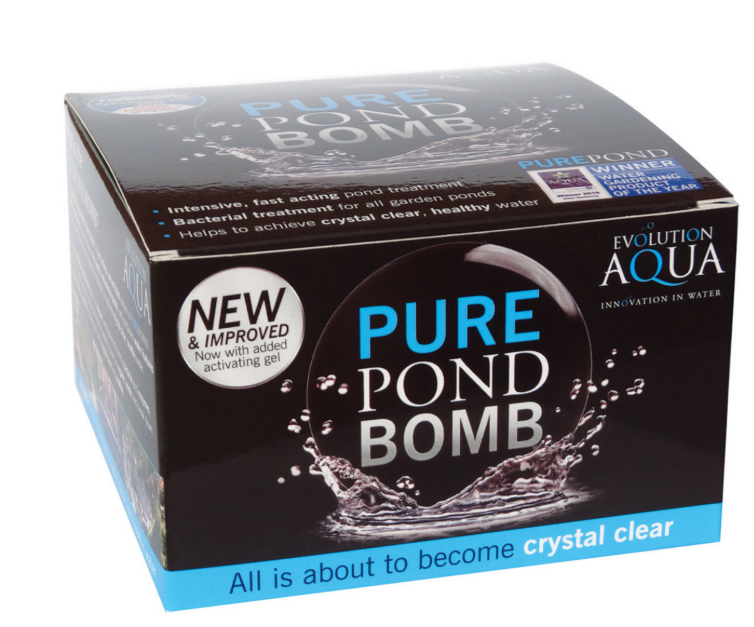
Common summer triggers include overfeeding, overstocking, immature filtration, dirty filters, medication use, or aggressive cleaning that disrupts beneficial bacteria. A pond’s biofilter is alive, and summer is not the time to weaken it without a plan, which is why products like Pond Bomb can help regulate levels of beneficial bacteria in your pond.
If ammonia or nitrite rises, stop or sharply reduce feeding right away. Every meal adds more waste to a system that is already under pressure. Cutting the source gives the pond a chance to recover.
Partial water changes can help dilute toxins, but the new water should be dechlorinated and close in temperature to the pond. Add extra aeration to support both the koi and the beneficial bacteria. Check the pumps, filters, and water flow to ensure the system is circulating properly.
An ammonia binder or beneficial bacteria booster may help during a spike when used as directed. Salt can sometimes help protect koi from nitrite toxicity, but dosing must be correct for the pond volume, fish, plants, and any current treatments. Retest daily until ammonia and nitrite both lower to healthy ranges, for ammonia that is 0-0.25 ppm and for nitrite that is 0. return to 0.
Stable pH is more important than chasing a perfect number. Many koi ponds do well at around 7.0 to 8.5, but sudden changes can quickly stress fish. Large pH swings can also make other water quality issues harder on koi.
KH, or carbonate hardness, helps buffer pH. If KH is too low, the pond may be more vulnerable to a pH crash. Testing KH is especially useful in summer because heavy biological activity, rain, algae swings, and water changes can all affect stability.
Temperature shock is another concern. Cold top-offs or large water changes can stress koi if the difference is too large or sudden. Shallow ponds also heat up and cool down faster than deeper ponds, which makes shade, aeration, and testing more important. Adding a source of shade over the pond such as a shade tarp can help support a stable temperature in the water and protect fish from direct UV exposure.
Feeding is water quality management. Every meal eventually increases the ammonia load, so summer feeding should match the pond’s temperature, oxygen levels, filter strength, and fish behavior. Active koi can make it tempting to feed more than the pond can safely process.
Feed only what koi finish within a few minutes, then remove uneaten food. During extreme heat, low oxygen levels, or any ammonia or nitrite readings, reduce or pause feeding. Avoid feeding late in the evening because oxygen usually drops overnight.
Feeding less during stressful weather is not neglect. It is one of the fastest ways to lower waste production and protect the pond. A healthy koi pond needs food, but it also needs oxygen, filtration, and stable water conditions to handle that food safely.
A good summer routine should be simple enough to follow and strong enough to prevent emergencies. Test ammonia, nitrite, pH, and KH at least weekly, and test more often during heat waves. Check dissolved oxygen if possible, especially early in the morning or when fish behavior changes.
Keep aeration running around the clock and inspect pumps, air stones, waterfalls, and filters often. Clean mechanical filters as needed, but avoid harsh cleaning that wipes out beneficial bacteria. Top off evaporation losses with dechlorinated water and avoid sudden temperature shifts.
A summer pond emergency kit should include a dechlorinator, an ammonia binder, a liquid test kit, a backup aerator, beneficial bacteria support, and salt with verified dosing guidance. The best time to prepare is before the hottest weeks arrive. Once fish are gasping, the pond is already in emergency mode.
Fish behavior is often the first clue that summer water quality is slipping. Watch for koi gasping at the surface, gathering near waterfalls, hanging near returns, acting lethargic, clamping fins, flashing, or refusing food. Morning symptoms deserve special attention because oxygen is often lowest near dawn.
Cloudy water after heavy feeding or during a hot stretch can also signal trouble. It may indicate excess waste, a bacterial imbalance, algal changes, or filtration stress. The right response is not to guess, but to test oxygen, ammonia, nitrite, pH, KH, and temperature.
Several problems can look similar from the surface. Low oxygen levels, nitrite poisoning, ammonia stress, pH swings, and temperature shock can all make koi appear sick. Clear test results help you respond with the right fix, rather than making the pond worse with random treatments.
Summer heat changes the whole pond system. It lowers oxygen, raises koi metabolism, increases waste output, and can make ammonia more toxic. That is why summer pond care needs to focus on aeration, feeding control, filtration health, and regular testing.
Keep dissolved oxygen at 6-8 mg/L or higher, and keep ammonia and nitrite at 0. Maintain a stable pH, support KH levels, avoid sudden temperature changes, and reduce feeding during extreme heat or when test results are poor. Most summer water quality emergencies are easier to prevent than repair.
The safest pond is one with backup aeration, a healthy biofilter, and an owner who tests before fish show distress. Build that routine before the hottest weeks of the year, and your koi will have a much better chance of staying healthy through summer.
Summer pond problems can move fast, especially when heat, feeding, oxygen levels, ammonia, and filtration all start working against the balance of your pond. If your koi are acting stressed, your water test results are off, or you simply want a clearer picture of what’s happening below the surface, Fitz’s Fish Ponds can help.
Our pond water testing services give you real answers instead of guesswork. We’ll check key water quality factors like pH, ammonia, nitrate, nitrite, hardness, salt levels, and filtration performance, then help you take the right next step for your pond and fish. Call Fitz’s Fish Ponds at (908) 420-9908, or Talk to an Expert Online to keep your koi healthier, safer, and better protected through the hottest weeks of the year.
What Is The Ideal Dissolved Oxygen Level For Koi?
A koi pond should generally stay around 6 to 8 mg per liter of dissolved oxygen or higher. Koi may show signs of stress when levels fall below about 4-5 mg per liter. Levels near 3 mg per liter can become dangerous, especially in warm weather. Testing is most useful during heat waves, early mornings, and any time fish appear stressed.
Why Does Oxygen Drop In Summer?
Oxygen drops in summer because warm water physically holds less dissolved oxygen than cool water. Koi also breathe more, eat more, and produce more waste as temperatures rise. Plants, algae, and beneficial bacteria all use oxygen too. Levels are often lowest near dawn because plants and algae consume oxygen overnight.
What Ammonia Level Is Safe For Koi?
Ammonia should read 0-0.25ppm in a healthy koi pond. Any persistent ammonia reading means the pond needs attention. Ammonia can damage koi's gills and skin, and it becomes more toxic in warm water and at higher pH levels. During the summer, even small readings should be taken seriously.
How Do I Quickly Lower Ammonia In A Koi Pond?
Start by stopping or sharply reducing feeding to reduce the amount of waste entering the pond. Do a partial water change with dechlorinated, temperature-matched water to dilute the ammonia. Increase aeration and make sure the filter is working properly. An ammonia binder or beneficial bacteria product may help when used as directed.
What Are The Signs Of Low Oxygen In A Koi Pond?
Common signs include koi gasping at the surface, gathering near waterfalls or returns, acting sluggish, or showing early-morning stress. Fish may also stop feeding normally or hover in areas with stronger water movement. These signs can overlap with nitrite poisoning or ammonia stress. Testing helps confirm what is actually happening.
Should I Run My Pond Aerator At Night?
Yes, summer aeration should run overnight and ideally 24 hours a day. Oxygen often drops after dark because plants and algae consume it rather than produce it. The lowest levels often happen near dawn. Running aeration at night helps protect koi during that high-risk window.
Can I Feed My Koi Normally During A Heat Wave?
It is usually better to reduce or pause feeding during extreme heat, low oxygen levels, or any ammonia or nitrite readings. Every meal adds waste and increases oxygen demand. Koi can handle short feeding reductions far better than poor water quality. Feeding should match the pond’s temperature, oxygen level, and test results.
Why Are My Koi Gasping At The Surface?
Surface gasping often indicates low dissolved oxygen, especially in the early morning. It can also be linked to nitrite poisoning, ammonia stress, pH swings, or temperature shock. The first step is to test the water rather than guess. Check oxygen, ammonia, nitrite, pH, KH, and temperature before choosing a response.
| Hours | |
|---|---|
| sunday | 10:00 AM - 4:00 PM |
| monday | Closed |
| tuesday | 10:00 AM - 5:00 PM |
| wednesday | 10:00 AM - 5:00 PM |
| thursday | 10:00 AM - 5:00 PM |
| friday | 10:00 AM - 5:00 PM |
| saturday | 10:00 AM - 5:00 PM |
| Hours | |
|---|---|
| sunday | 10:00 AM - 5:00 PM |
| monday | Closed |
| tuesday | 11:00 AM - 6:00 PM |
| wednesday | 11:00 AM - 6:00 PM |
| thursday | 11:00 AM - 6:00 PM |
| friday | 11:00 AM - 6:00 PM |
| saturday | 10:00 AM - 5:00 PM |
| Hours | |
|---|---|
| sunday | 10:00 AM - 4:00 PM |
| monday | Closed |
| tuesday | 10:00 AM - 5:00 PM |
| wednesday | 10:00 AM - 5:00 PM |
| thursday | 10:00 AM - 5:00 PM |
| friday | 10:00 AM - 5:00 PM |
| saturday | 10:00 AM - 5:00 PM |
| Hours | |
|---|---|
| sunday | 10:00 AM - 5:00 PM |
| monday | Closed |
| tuesday | 11:00 AM - 6:00 PM |
| wednesday | 11:00 AM - 6:00 PM |
| thursday | 11:00 AM - 6:00 PM |
| friday | 11:00 AM - 6:00 PM |
| saturday | 10:00 AM - 5:00 PM |
| Hours | |
|---|---|
| sunday | Closed |
| monday | 10:00 AM - 4:00 PM |
| tuesday | 10:00 AM - 4:00 PM |
| wednesday | 10:00 AM - 4:00 PM |
| thursday | 10:00 AM - 4:00 PM |
| friday | 10:00 AM - 4:00 PM |
| saturday | Closed |
| Hours | |
|---|---|
| sunday | 10:00 AM - 4:00 PM |
| monday | Closed |
| tuesday | 10:00 AM - 5:00 PM |
| wednesday | 10:00 AM - 5:00 PM |
| thursday | 10:00 AM - 5:00 PM |
| friday | 10:00 AM - 5:00 PM |
| saturday | 10:00 AM - 5:00 PM |
| Hours | |
|---|---|
| sunday | Closed |
| monday | Closed |
| tuesday | 10:00 AM - 5:00 PM |
| wednesday | 10:00 AM - 5:00 PM |
| thursday | 10:00 AM - 5:00 PM |
| friday | 10:00 AM - 5:00 PM |
| saturday | 10:00 AM - 5:00 PM |
| Hours | |
|---|---|
| Sunday | Closed |
| Monday | Closed |
| Tuesday | 10:00 AM - 5:00 PM |
| Wednesday | 10:00 AM - 5:00 PM |
| Thursday | 10:00 AM - 5:00 PM |
| Friday | 10:00 AM - 5:00 PM |
| Saturday | 10:00 AM - 5:00 PM |
| Hours | |
|---|---|
| Sunday | 10:00 AM - 4:00 PM |
| Monday | Closed |
| Tuesday | 10:00 AM - 5:00 PM |
| Wednesday | 10:00 AM - 5:00 PM |
| Thursday | 10:00 AM - 5:00 PM |
| Friday | 10:00 AM - 5:00 PM |
| Saturday | 10:00 AM - 5:00 PM |